Wood-pressed in our chekku
Oil that still smells of the seed
Our coconut, groundnut and sesame oils are wood-pressed in a traditional chekku from solar-dried seed, pressed mechanically and solvent-free (no hexane), and left unrefined with no bleaching or deodorising. That is what keeps their colour, aroma and flavour intact.
Coconut oil
Coconut தேங்காய் எண்ணெய்
Pressed from solar-dried copra, our coconut oil stays unrefined, and that is the whole point. Where RBD (refined, bleached, deodorised) coconut oil is processed until it is nearly neutral, our oil keeps the soft, sweet aroma of fresh coconut. Because nothing is refined away, the oil keeps more of the seed's natural character, its colour, aroma and the minor constituents that pressing leaves behind.
How to use it: it is made for South-Indian cooking, sautéing, poriyal, tempering a hot pan of mustard seeds and curry leaves, or a final drizzle to finish a dish. Its smoke point is around 177°C / 350°F, lower than refined coconut oil (around 204°C), so keep it to gentle and medium heat rather than a hard, sustained fry.
 Coconut, cracked fresh for pressing
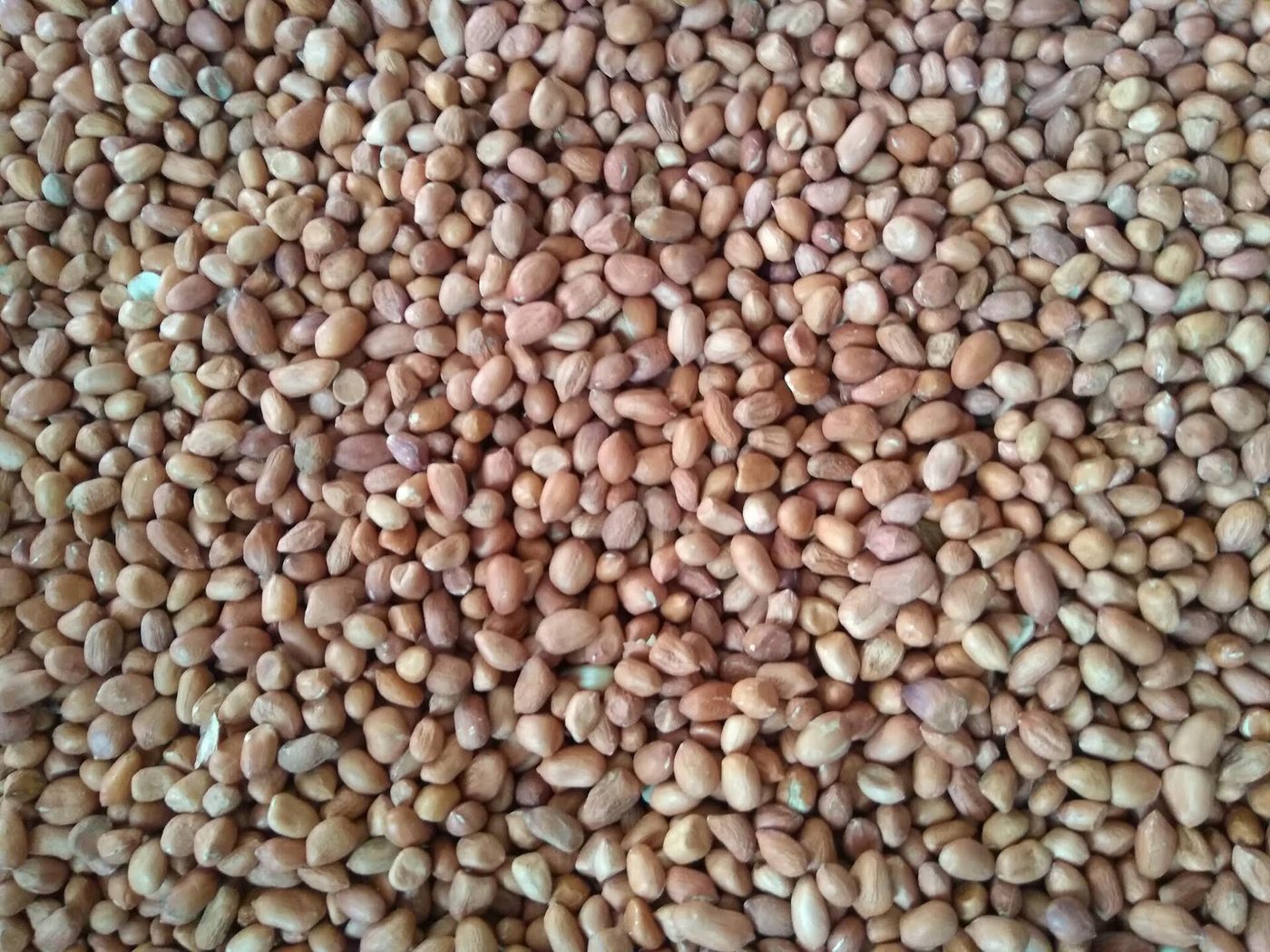 Groundnut kernels ready for pressing
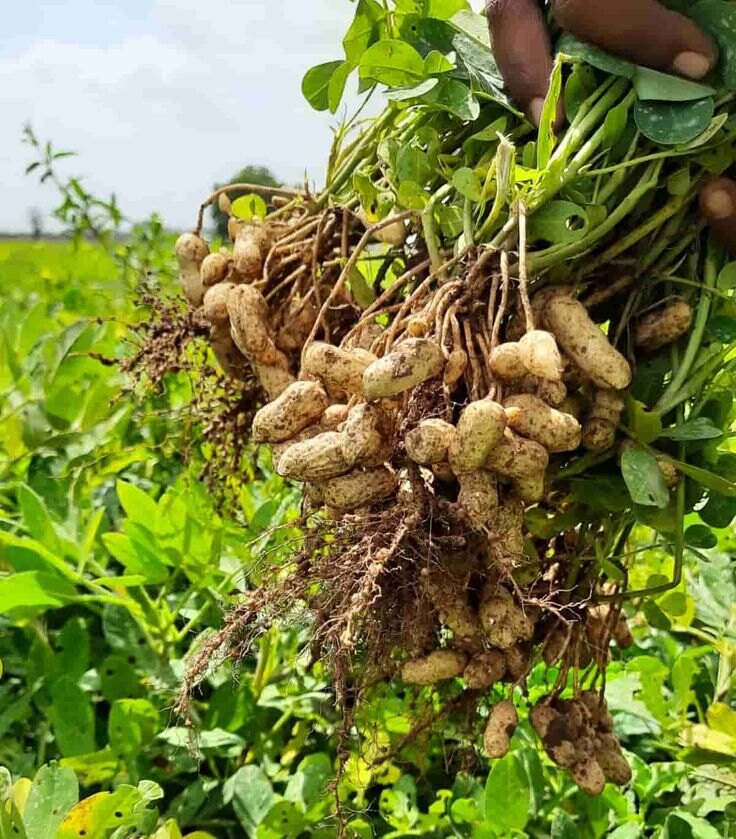 Groundnuts, freshly lifted from the field
Groundnut oil
Groundnut / Peanut கடலை எண்ணெய்
Golden, nutty and full-flavoured, our groundnut oil is pressed from solar-dried groundnut. Because nothing is refined away, it keeps more of the seed's natural character, colour, aroma and the minor constituents that pressing leaves behind. It is the oil many South-Indian kitchens reach for by habit, and the aroma is unmistakable the moment it hits a hot pan.
How to use it: a workhorse for tadka, everyday sautéing and shallow to medium frying. Its smoke point is around 160°C / 320°F, so think shallow or medium frying, not sustained, high-heat deep frying, where an unrefined oil will smoke and turn bitter.
Sesame oil
Sesame / Gingelly நல்லெண்ணெய்
In Tamil it is nallennai, literally “good oil”, and it earns the name. Our sesame oil has the deep, characteristic aroma of pressed sesame, and because nothing is refined away it keeps more of the seed's natural character. We press the light, raw, untoasted seed rather than the dark toasted style [Pon Vayal to confirm].
How to use it: it is the classic pickle oil that keeps an Indian oorugai glossy and well-kept, and it is just as at home in tempering, in podis, and in everyday cooking. Its smoke point is around 177°C / 350°F, so it suits tempering and medium-heat cooking.
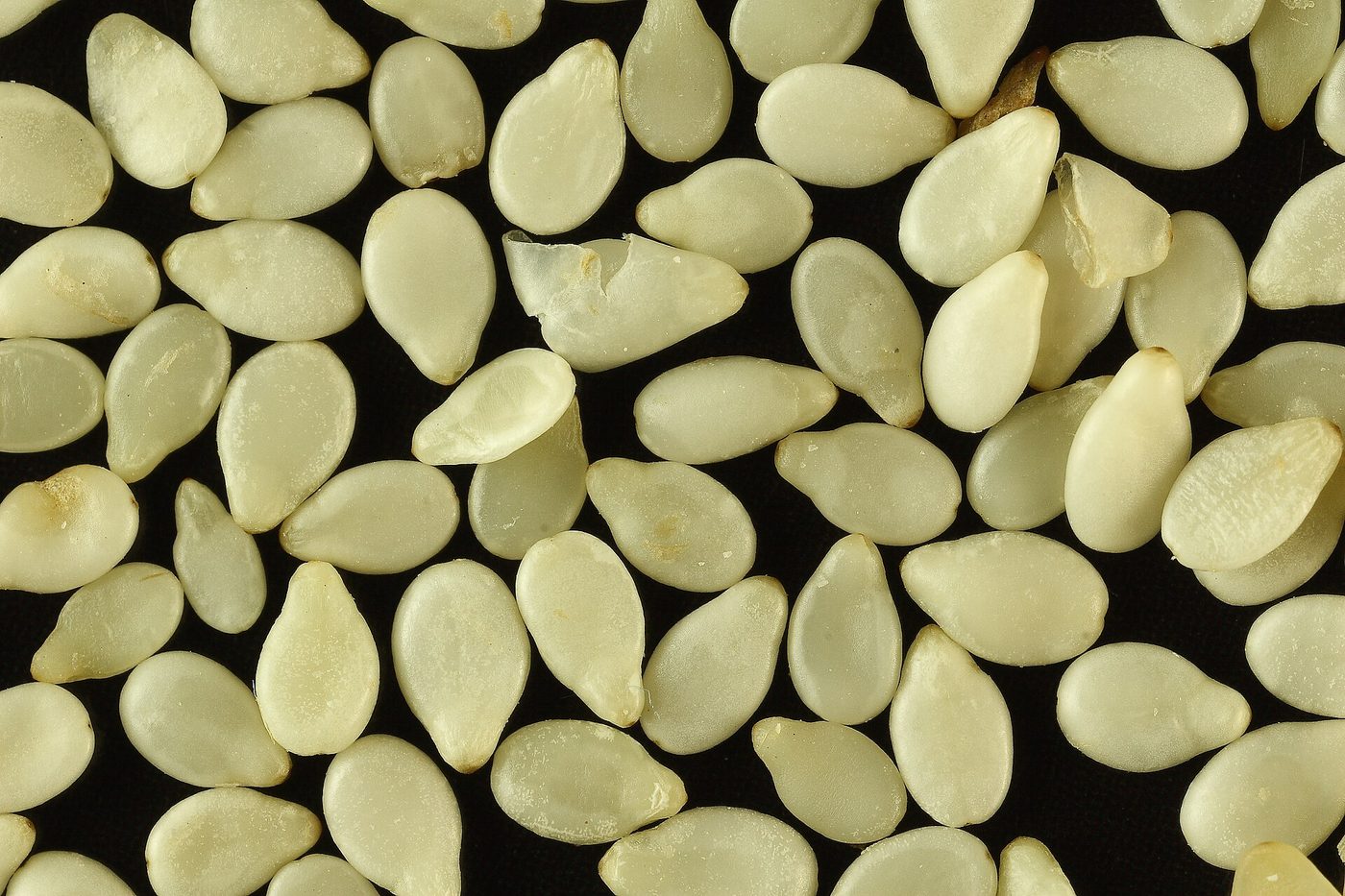 White sesame seeds
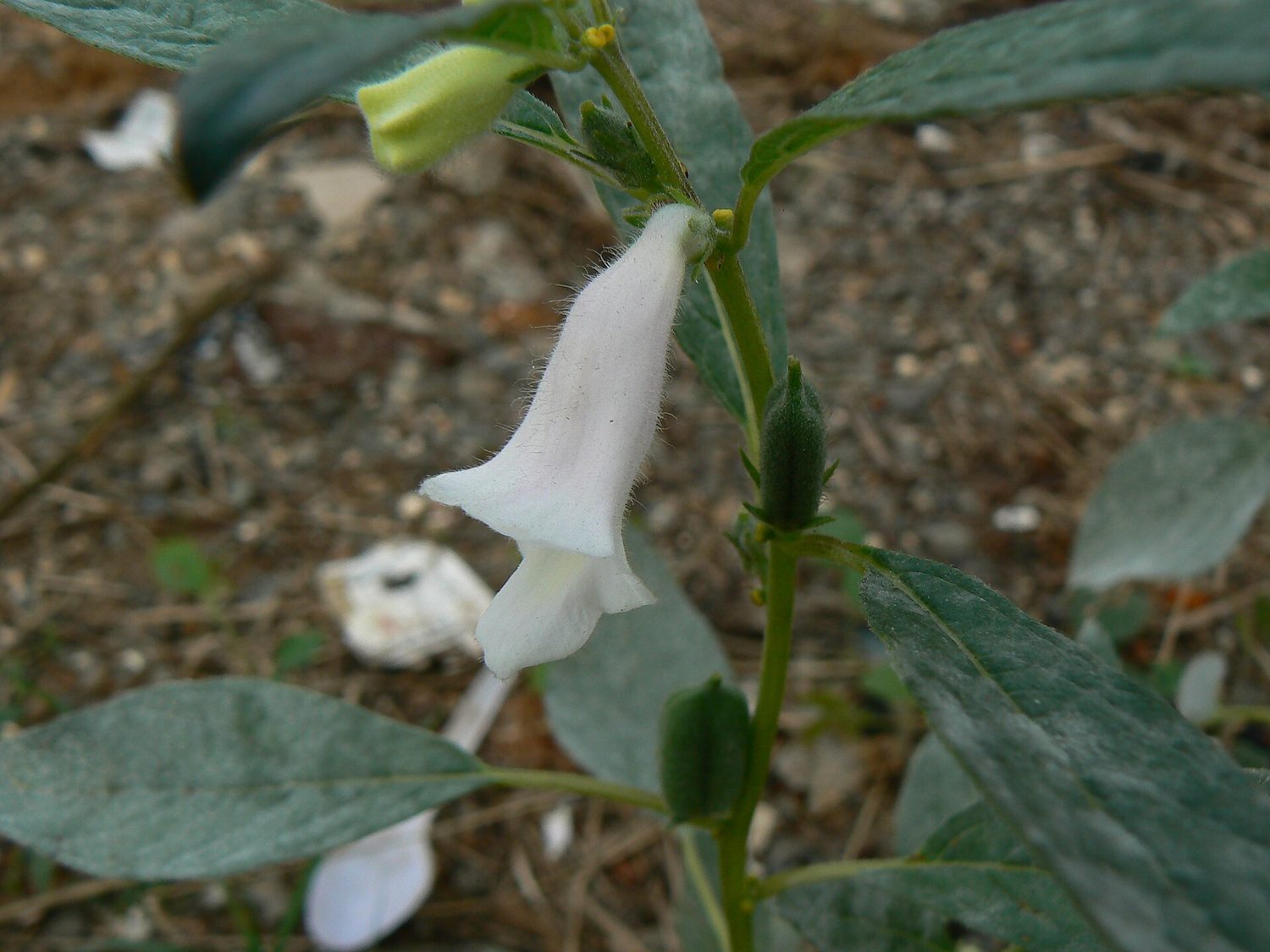 Sesame (gingelly) in flower
Honest smoke points
What each oil can take
Smoke points vary with batch, freshness and how an oil is stored, so treat these as practical guidance rather than exact figures. The pattern that matters: every cold-pressed, unrefined oil sits lower than its refined counterpart.
| Oil | Cold-pressed smoke point | Note |
|---|---|---|
| Coconut தேங்காய் | ≈ 177°C / 350°F | Sautéing, poriyal, tempering, finishing |
| Groundnut கடலை | ≈ 160°C / 320°F | Tadka, sautéing, shallow to medium frying, not sustained high-heat deep frying |
| Sesame நல்லெண்ணெய் | ≈ 177°C / 350°F | Pickles, tempering, podi, everyday cooking |
| All three are lower than refined oils, which are deodorised at high heat to raise their smoke points. We position our oils for tempering, sautéing and medium-heat cooking, not sustained high-heat frying. | ||
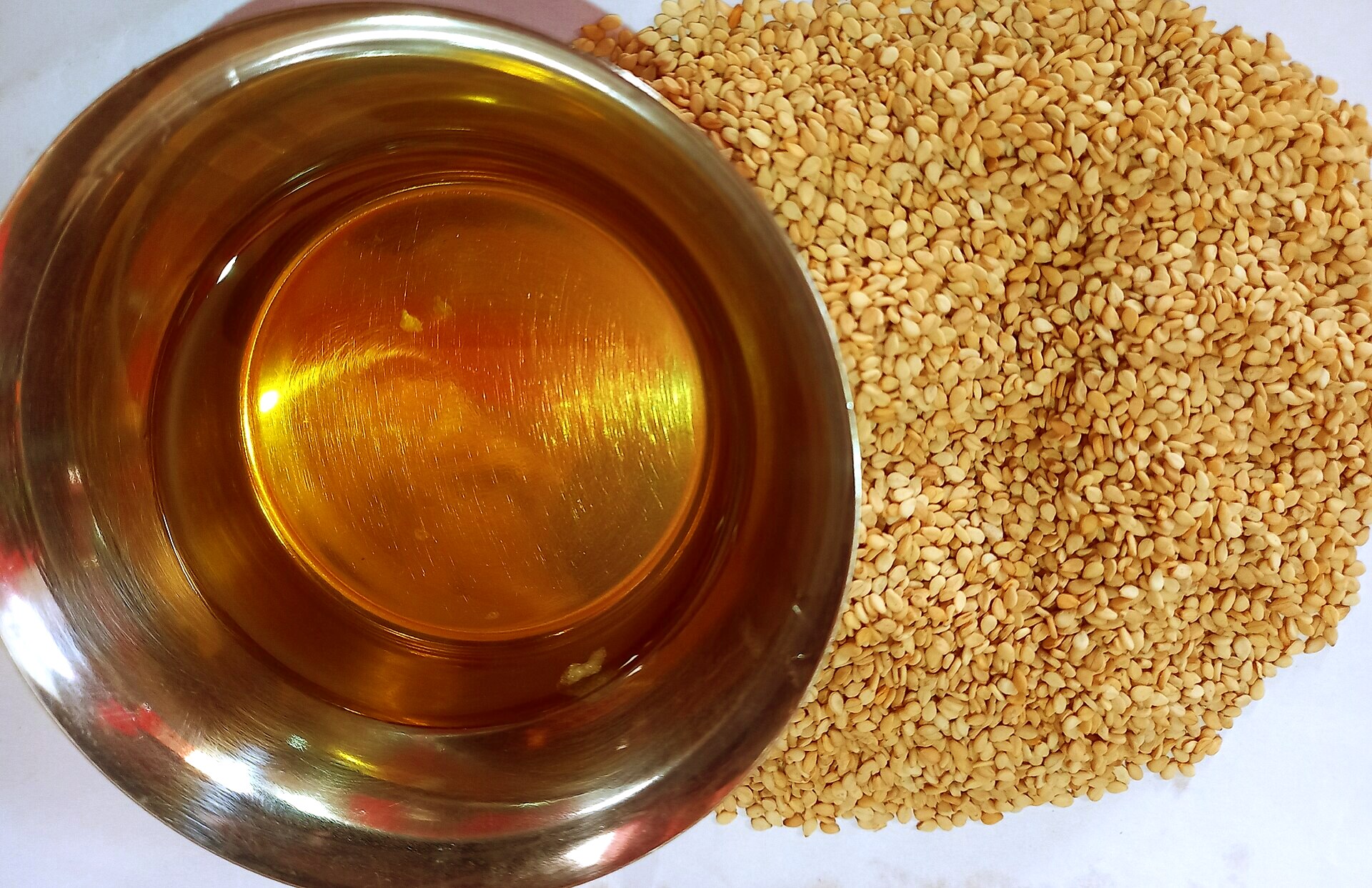 Golden, unrefined oil, just as the seed gives it
Looking after your oil
Storing unrefined oil
Unrefined oils keep their character because nothing has been stripped out, but that also means they oxidise faster than refined oils. A little care keeps them tasting fresh.
- Keep the bottle away from light, heat and air, a cool, dark cupboard, lid firmly closed.
- Use a clean, dry spoon or pour carefully; moisture and food bits shorten an oil's life.
- Buy in sizes you will use within a reasonable time rather than storing a large bottle for months.
- Once opened, keep the bottle capped and finish it within a few months; an unrefined oil is at its best fresh. Check the best-before date on the label.
- A little natural sediment or cloudiness at the bottom of the bottle is normal for an unrefined oil, it has been settled and filtered, not polished clear.
- Coconut oil may solidify in cool weather, that is normal, not spoilage. Warm the jar gently to bring it back to liquid.
Good questions
Cold-pressed oils, answered honestly
No. A wooden chekku turns slowly, but the crushing itself creates some friction heat, so we describe our oils as slow, low-temperature pressed rather than heat-free. The honest contrast is with industrial refining, which uses high heat and chemical solvents, neither of which our oils ever meet.
We do not recommend our oils for sustained high-heat deep frying. Being unrefined, they have lower smoke points than refined oils, coconut and sesame around 177°C/350°F, groundnut around 160°C/320°F. They shine in tempering, sautéing, poriyal and shallow to medium frying, where their aroma becomes part of the dish.
Coconut oil naturally turns semi-solid or solid below about 24°C, which is common in cooler months and air-conditioned kitchens. It is completely normal and not a sign of spoilage. Stand the jar in warm water or in a warm spot and it returns to a clear liquid.
No. Our groundnut oil is unrefined, which means it retains peanut proteins, so it is not safe for people with a peanut allergy. If anyone cooking or eating may have a peanut allergy, please choose our coconut or sesame oil instead.
Refined commodity oils are usually solvent-extracted with hexane, then bleached and deodorised at high heat, which strips colour, aroma and flavour and raises the smoke point. Our oils are pressed mechanically in a wooden chekku and only settled and filtered: solvent-free and unrefined. They keep their natural colour, aroma and character, but have lower smoke points. There is more on this in our journal.
A slow wooden press leaves some oil behind in the cake, while industrial solvent extraction recovers roughly 97–99% of it, so every litre we press takes more seed. Add small, fresh batches and direct-from-farmer buying, and the honest answer is simple: lower yield, slower method, shorter supply chain. There is more on this in our journal.
An unrefined oil is at its best fresh, so once you open a bottle it is best finished within a few months. Keep it capped, cool and away from light, and check the best-before date printed on the label. Our full storage routine is in our journal.
Dig a little deeper
More on how it is made
How we press, settle and filter
The full story of the marachekku, from solar-dried seed to the bottle, step by step.
See our methodWood-pressed vs refined oil
What “refining” actually does to an oil, and why we choose to leave ours alone.
Read the postHow to choose a cooking oil
Smoke point, flavour and how you actually cook, a simple way to pick the right oil.
Read the postTaste the difference
Pick the oil that matches how you cook
Order our coconut, groundnut or sesame oil, ask for a wholesale or export quote, or just tell us how you cook and we'll point you to the right one.